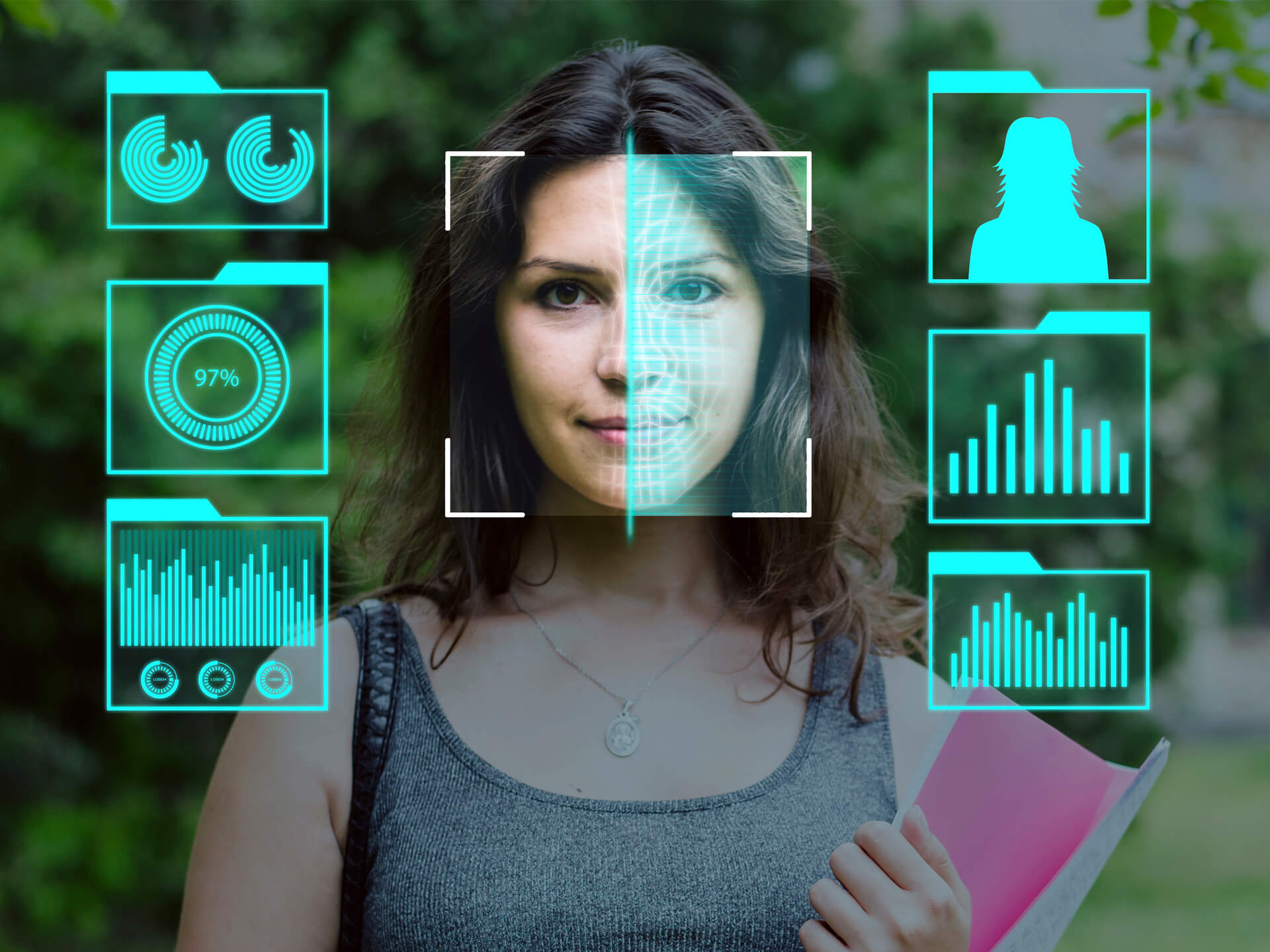
Tools such as Eyematch.ai make this process simple by allowing users to upload a photo and explore where similar faces may appear across the web. But who can actually use face search tools, and in what situations are they typically used?
Why do individuals use face search tools to monitor their online presence?
Many people use face search tools to understand where their photos appear online. Images can be shared, reposted, or copied across websites and social media platforms.
Running a face search can help users discover whether visually similar photos appear elsewhere on the internet and identify websites where those images are published.
Why do people use facial search tools when online dating?
Some people use face search tools when interacting with others on dating apps or social networks. Uploading a profile photo to a face search tool can help determine whether the same image appears on other websites.
This may help users identify cases where a photo has been reused across multiple profiles or platforms.
How do journalists and researchers use face recognition tools?
Journalists and researchers sometimes use facial search tools when investigating online content or verifying the origins of images. The technology can help locate additional sources where a particular photo appears.
By finding related images or webpages, researchers may gain more context about how an image has been used online.
Read more here about how Facial Recognition Technology Finds Faces online.
How do content creators use face search tools to monitor images?
People who publish photos online, such as photographers or content creators, may use face recognition tools to monitor how their images circulate across the internet.
This can help them discover websites where their images appear and better understand how their visual content is being shared.
Can anyone use face search tools?
Face search tools are available to a wide range of users. Anyone interested in understanding where images appear online or how facial recognition technology works may choose to use them.
As artificial intelligence develops, face search tools are becoming an increasingly common way to explore how photos circulate across publicly available parts of the internet.