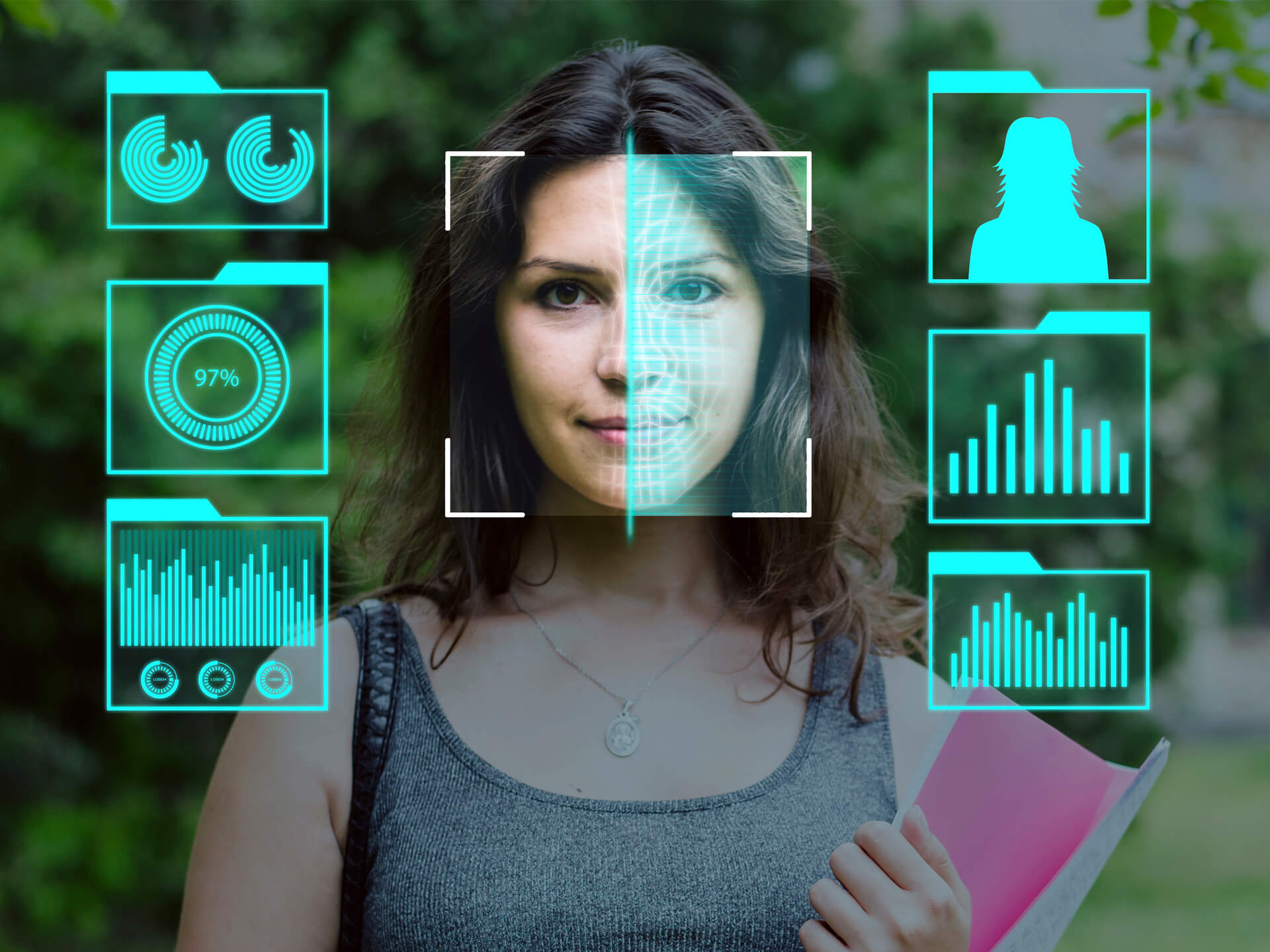
Platforms such as Eyematch.ai allow users to upload a photo and run a face search to find visually similar faces online. The system analyzes facial features and scans publicly available images that are indexed online, then returns results with links to the websites where those images appear. So when should you use facial recognition tools?
Why do people use face search to check their online presence?
Many people use face search tools to learn where their photos appear online. Images shared on social media, forums, blogs, or websites can sometimes spread across the internet without the person realizing it.
Running a face search can help users discover websites where similar images appear. This allows people to better understand how their photos circulate online.
For example, face search tools may help users find:
- profile photos shared on multiple websites
- images reposted on forums or blogs
- photos appearing in online articles
- pictures used on public profiles
Monitoring your online presence is one of the most common reasons people explore facial recognition tools.
Can face search help when meeting people from dating apps?
Online dating is now one of the most popular ways people meet new partners. Because profile photos can easily be copied or reused, some users choose to run a face search before meeting someone in person.
Uploading a profile photo to a facial recognition or reverse face search tool can sometimes reveal whether the same image appears on other websites.
People sometimes use face search tools in dating situations to:
- check if a profile photo appears on multiple accounts
- see whether the image comes from another website
- understand how widely a photo appears online
Face search does not identify a person, but it can provide more context about how a photo appears across the internet.
How do journalists use facial recognition tools for image research?
Journalists and researchers often investigate images found online. When a photo appears in an article or on social media, it may not always be clear where that image originally came from.
Facial recognition tools can help locate additional instances of a photo or visually similar faces across the web. By finding other websites that publish similar images, researchers can gain more context about how the image has been used.
Face search tools can support research by helping journalists:
- find earlier appearances of an image
- discover related photos online
- locate webpages where the same image appears
This type of image search can provide useful background information during investigations. Why do content creators use face search tools? Content creators, photographers, and influencers often publish photos across many platforms. Once images are shared publicly, they may be reposted by other users or appear on additional websites.
Some creators run face search tools to monitor how their images circulate online. This can help them discover where their photos appear across the internet.
Face search tools can help creators:
- identify websites where images appear
- track how photos spread online
- understand how visual content is reused
Monitoring images can help creators stay informed about how their content travels across the web.
What is the difference between face search and reverse image search?
Many internet users are familiar with reverse image search tools. Reverse image search focuses on finding identical copies of the same photo.
Face search tools work differently. Facial recognition technology analyzes facial features and searches for visually similar faces across different photos.
You can read more about the difference between face search and reverse image search here.
Why are facial recognition tools becoming more popular?
The internet contains billions of photos, and new images are uploaded every day. As artificial intelligence technology improves, tools that analyze images are becoming easier to use.
Facial recognition tools allow users to explore how photos appear across publicly available parts of the internet. This technology helps people better understand how images circulate online.
As artificial intelligence continues to develop, face search tools like eyematch.ai are likely to become an increasingly common way to explore images that appear online.