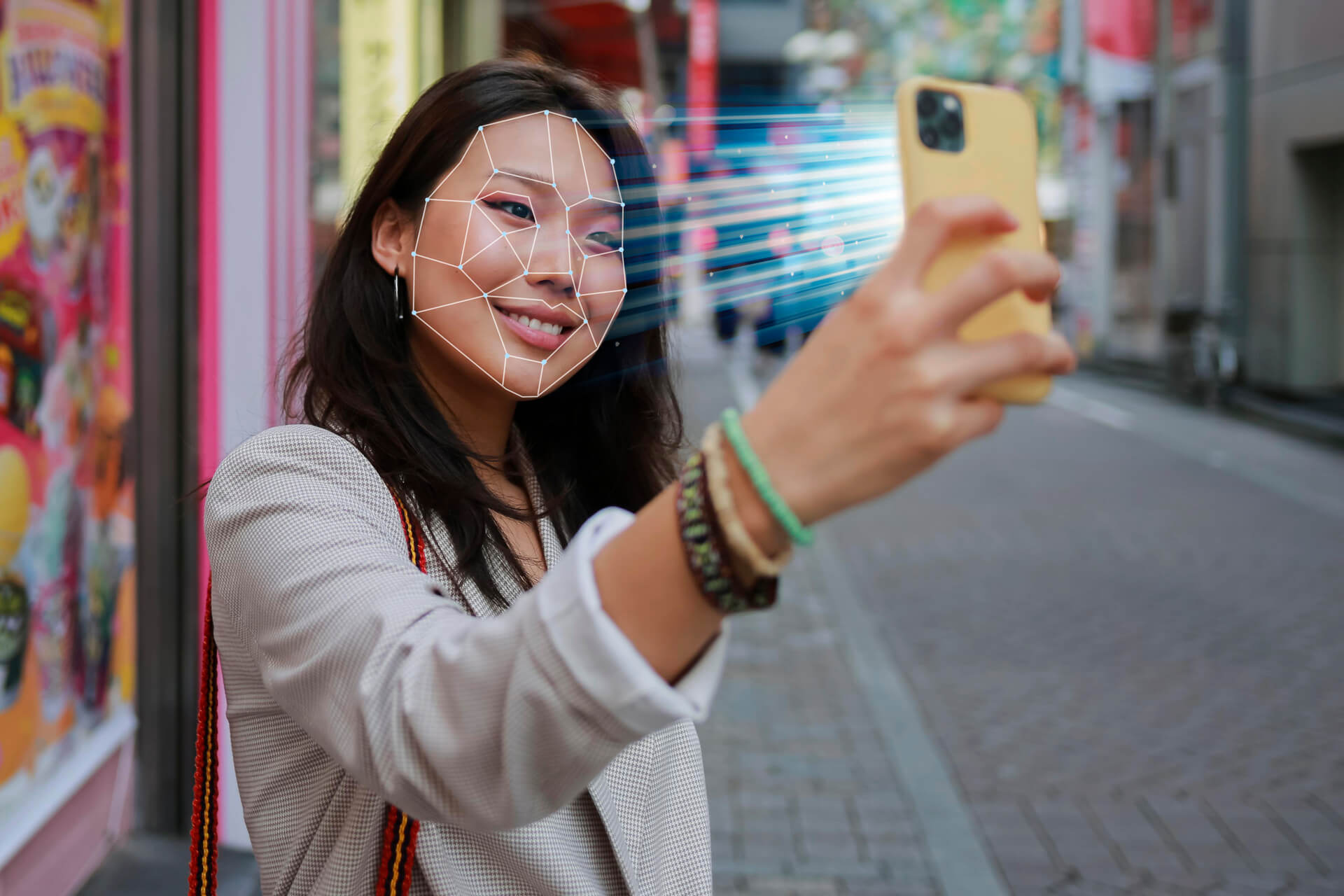
Platforms like Eyematch.ai allow users to upload a photo and run an AI face search across publicly available images. Instead of identifying a person by name, the system analyzes facial features and finds visually similar faces with source links. This makes face search useful for checking online presence, monitoring images, and understanding how photos are shared on the web.
What is AI face recognition and how does it work?
AI face recognition is a technology that detects and analyzes human faces in images. It works in several clear steps:
Face detection - The system finds the face in a photo.
Feature analysis - It measures facial features such as eye distance, nose shape, and jawline.
Face encoding - The features are converted into numerical data.
Face matching - The data is compared with other indexed images.
Search results - Similar faces are shown with links to the original websites.
This process is often called face search, reverse face search, or facial recognition technology, depending on how it is used.
Read more explanation about face search in one of our previous article.
Can AI really recognize faces on the internet?
Yes, AI can recognize and match faces on the internet. However, it is important to understand what “recognize” means.
AI does not automatically know who a person is. It does not attach a name to a face. Instead, it compares facial patterns and finds images that look similar.
This means:
- AI can find where a face appears online
- AI can match similar faces across websites
- AI does not confirm identity
- AI does not access private databases
Face search tools focus on visual similarity, not identity verification.
How accurate is AI face search?
The accuracy of AI face recognition depends on several factors like image quality, lighting conditions, face angle, obstructions like glasses or shadows, and how many public images are available.
Modern facial recognition systems are highly advanced and can detect small facial differences. However, they are not perfect.
Similar looking people may appear in results, especially if images are low quality.
That is why face search results should always be reviewed carefully.
Is AI face recognition legal?
AI face recognition laws depend on the country and how the technology is used. In general, scanning publicly available images is allowed in many regions, as long as the service:
- Does not store personal data without consent
- Does not claim identity confirmation
- Does not access private accounts
- Provides transparency about how the system works
Responsible AI face search platforms clearly explain their privacy practices and limit their technology to public web data.
Why do people use reverse face search?
There are many common use cases for reverse face search:
- Checking where your photo appears online
- Monitoring online reputation
- Detecting image misuse
- Research purposes
- Brand and content protection
As AI face recognition becomes more accessible, more people are using it to understand their digital footprint.
So, can AI recognize faces online?
Yes, AI can recognize and match faces across publicly available websites using facial recognition technology. It does this by analyzing facial features and comparing them with indexed images.
However, AI does not automatically know who someone is. It finds visual matches, not confirmed identities. Understanding this difference is important when using face search tools. AI face recognition is powerful, but it works by comparing patterns, not by finding people by their name.