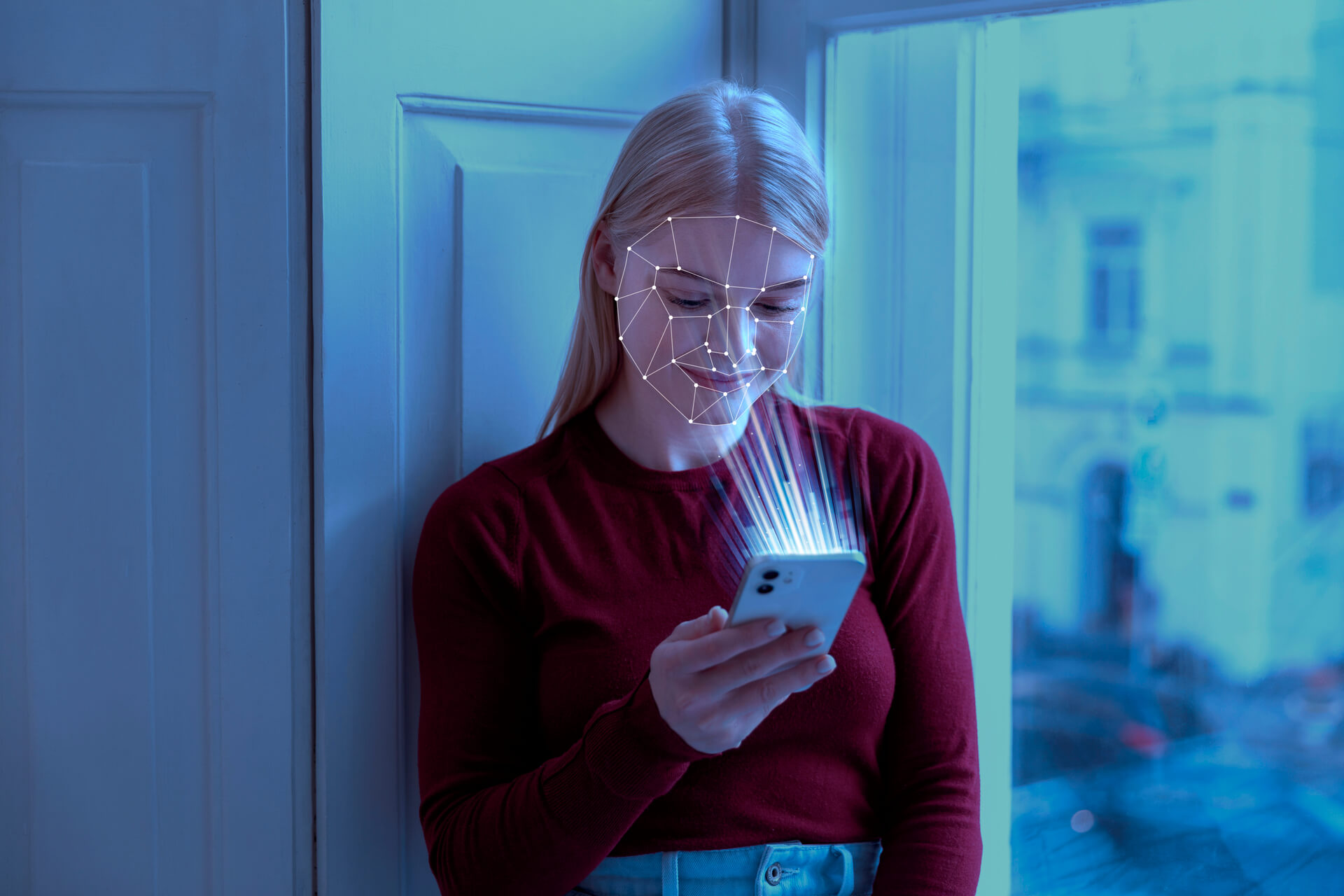
Platforms such as Eyematch allow users to upload a photo and run a face search to discover visually similar faces across publicly available images. The system analyzes facial features and returns results with links to the websites where those images appear. It does not identify individuals or access private data. Understanding how face search works can help users decide whether these tools are safe and how to use them responsibly.
What does safety mean in face search tools?
When people ask if face search tools are safe, they usually mean several things. Safety can refer to how the tool handles data, what kind of access it has, and how the results are generated.
Key safety questions often include:
- does the tool store uploaded photos
- can it access private images
- does it identify individuals
- how are results generated
Looking at these aspects can help users better understand how face search tools operate.
Do face search tools access private photos or data?
Face search tools typically work with images that are publicly available and indexed online. This means they scan images that can already be accessed on public websites.
They do not have access to:
- private photo libraries
- personal devices
- restricted social media content
- private databases
Because of this, results are limited to only what is already visible on the public internet.
How do facial recognition tools handle uploaded images?
Different platforms may handle uploaded images in different ways. Some tools process the image to analyze facial features and generate results without long term storage.
It is important for users to review the platform’s policies to understand how their data is handled. Transparency about image processing and storage is an important factor when evaluating safety.
Can face search tools identify who you are?
Face search tools focus on finding visually similar faces, not identifying a person. They analyze facial features and compare them with other images, but they do not assign a name or confirm identity.
This is an important distinction between:
- face search tools
- identity recognition systems
Face search provides image-based results, not personal identification.
Are face search tools safe compared to reverse image search?
Reverse image search tools have been used for many years to find identical images online. Face search works in a similar way but focuses on facial features instead of exact matches.
Both types of tools:
- rely on indexed images
- return results from public websites
- do not access private data
For many users, combining face search and reverse image search provides a broader understanding of how images appear online.
How can you use face search tools responsibly?
Using face search tools responsibly means understanding their purpose and limitations. These tools are designed to explore images, not to identify or track people.
Responsible use may include:
- checking where your own photos appear online
- researching publicly available images
- learning how facial recognition technology works
Avoid using these tools in ways that could affect the privacy or rights of others.
Face search tools like Eyematch.ai can be safe to use when users understand how they work and what they are designed to do. They analyze images and search for visually similar faces across publicly available content, without accessing private data or identifying individuals.
As with any online tool, reviewing how a platform handles data and using it responsibly can help ensure a safe and informed experience.