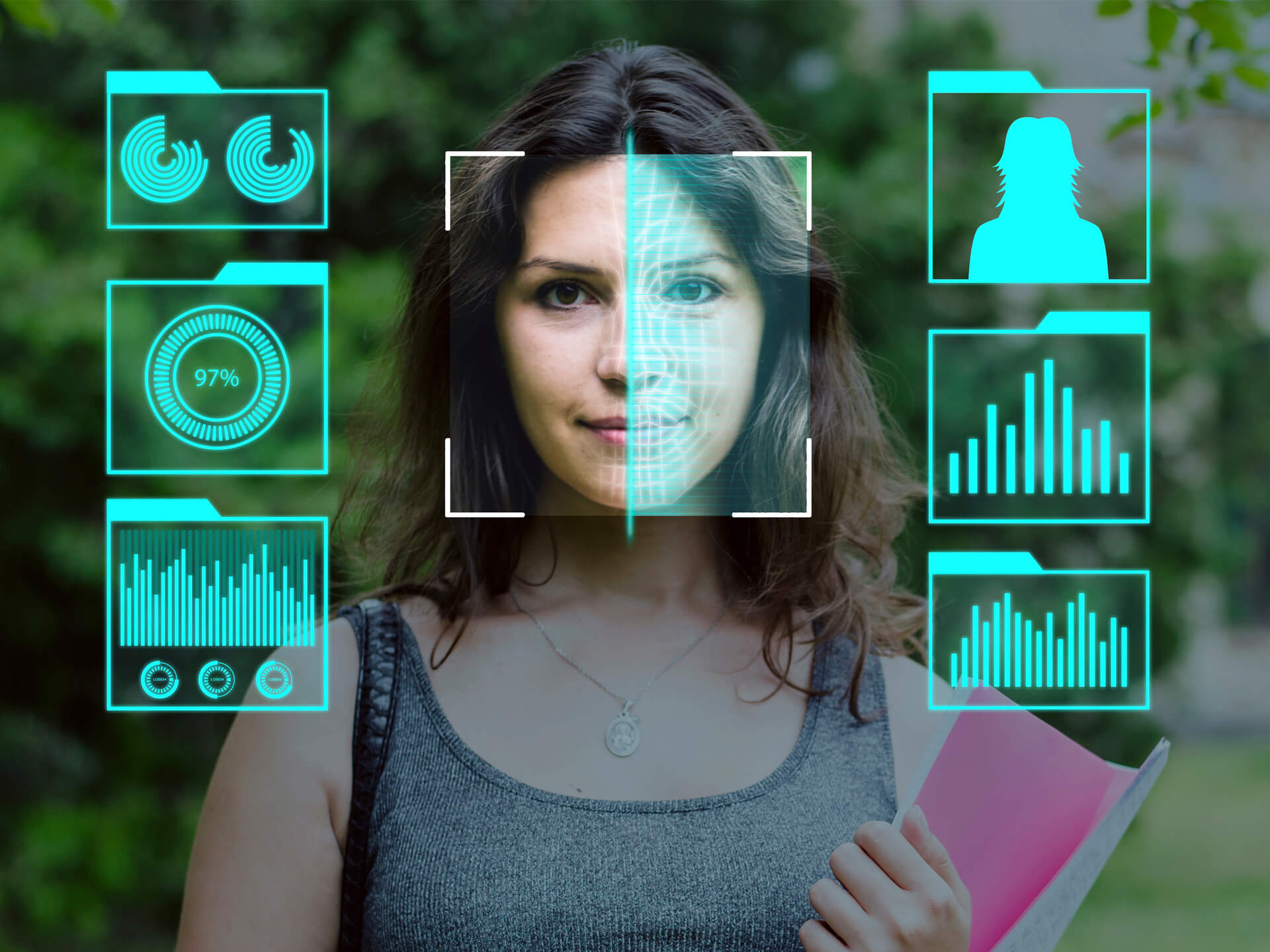
Tools such as Eyematch allow users to upload a photo and run a face search to find visually similar faces across publicly available images online. By analyzing facial features, the system can return results with links to websites where similar images appear. Understanding how your digital footprint works can help you manage your online presence more effectively.
What is a digital footprint and how does it relate to face search?
A digital footprint is the collection of data you leave behind when you use the internet. This includes text, activity, and images.
When it comes to photos, your digital footprint may include:
- profile pictures on social media
- images shared on public websites
- photos in online articles
- pictures reposted by other users
Face search tools and image search platforms can help locate these images by scanning publicly available content online.
How does your face appear in image search results?
Images can appear in search results when they are published on websites that are indexed online. Search engines and face search tools scan these indexed images to make them searchable.
Your face may appear online through:
- public social media profiles
- blogs and forums
- news articles
- shared or reposted images
Once a photo is public, it can become part of searchable image data.
Can facial recognition find your face online?
Facial recognition technology analyzes facial features and compares them with other images. This allows face search tools to find visually similar faces across different photos.
Face search can sometimes locate images even when:
- the photo has been cropped
- lighting conditions are different
- the face appears in another image
- the angle of the face has changed
This makes facial recognition a useful tool for exploring how images appear online.
What is the difference between face search and reverse image search?
Face search and reverse image search are often confused, but they work in different ways.
Face search:
- analyzes facial features
- finds visually similar faces
- works across different images
Reverse image search:
- finds identical or very similar copies
- focuses on the exact image
- tracks duplicates of the same photo
Using both methods can provide a more complete understanding of where your images appear online.
Why do photos spread across the internet?
Photos can move quickly across the internet once they are shared publicly. Other users may repost or reuse images on different platforms.
Common reasons include:
- sharing on social media
- reposting on blogs or forums
- use in articles or content
- image aggregation by websites
Because of this, a single photo can appear in multiple places online.
How can you monitor your face online?
Monitoring your digital footprint means checking where your images appear on the internet.
Some ways to do this include:
- running a face search
- using reverse image search tools
- reviewing public profiles
- checking image search results regularly
These methods can help users stay aware of how their photos are used online.
Why understanding your digital footprint matters
Being aware of your digital footprint can help you better understand your online presence. Photos are often one of the most visible parts of this footprint.
By understanding how face search, facial recognition, and image search work, users can make more informed decisions about sharing images online.
Your face can appear in many places across the internet as part of your digital footprint. Face search and reverse image search tools like eyematch.ai make it possible to explore how images are shared and where they appear online.